

 See My Latest Article on HelloNation

Why Does Pricing Matter So Much?
Getting the price right shapes everything from how quickly your home sells to how much you ultimately walk away with. In Shelton, CT, a well-set asking price attracts the most qualified buyers early on, when attention is highest. An over-priced home can linger, becoming “stale” while likely selling for less in the end. Underpricing might mean leaving money on the table.
Buyers in the area often compare homes within minutes of new listings, relying on recent sales and property condition for context. That’s why the initial number you set deserves careful thought and solid data.
What Local Factors Influence Home Value?
Several conditions in Shelton directly affect what buyers expect to pay. Sellers sometimes overlook how neighborhood trends, school zones, and even seasonality influence value.
Key local considerations include:
- Proximity to popular recreation trails, parks, or riverfront areas
- Neighborhood stability and traffic patterns
- Age and style of nearby homes—whether typical for the area or distinctly different
- School district boundaries, which can matter to families exploring the community
- Seasonal influences, such as how spring and early summer listings may stir stronger interest
Be aware that buyers in the community usually have access to detailed recent sale data and will compare your asking price with similar homes, or “comps,” in the area.
How Do You Find the Right Comparable Sales (“Comps”)?
The best starting point is to review homes similar in age, size, condition, and location—ideally sold within the past three to six months. Even within the same area, prices can shift based on micro-location: a house on a lightly trafficked street may draw a different response than one near a busier road or adjacent to open space.
When choosing comps, focus on:
- Homes with the same number of bedrooms and bathrooms
- Similar lot size and usable land
- Condition—recent updates, deferred maintenance, or special features
- Distance from your property, with the same school assignment if possible
Residents sometimes misunderstand which sales actually matter. The most relevant comps are recently sold (not active listings), close in distance, with matching condition and amenities.
What Home Features Matter Most to Shelton Buyers?
In addition to overall size and age, certain elements tend to sway local perceptions of value:
- Updated kitchens and bathrooms often bring above-average interest
- Finished or partially finished basements add flexibility, important for multi-generational families
- Ample parking and usable outdoor space matter in neighborhoods with denser housing patterns
- Energy-efficient windows or heating systems can be attractive during colder months
Local buyers tend to notice well-maintained homes—clean, decluttered interiors, and fresh paint, especially in high-traffic rooms—more than major luxury upgrades such as elaborate landscaping or high-end appliances.
Should You Price High “To See What Happens?”
Hoping for negotiation room, some homeowners start high to “test the market.” In practice, this approach often discourages early interest, especially among buyers working with tight loan approvals or those relying on local market comparisons.
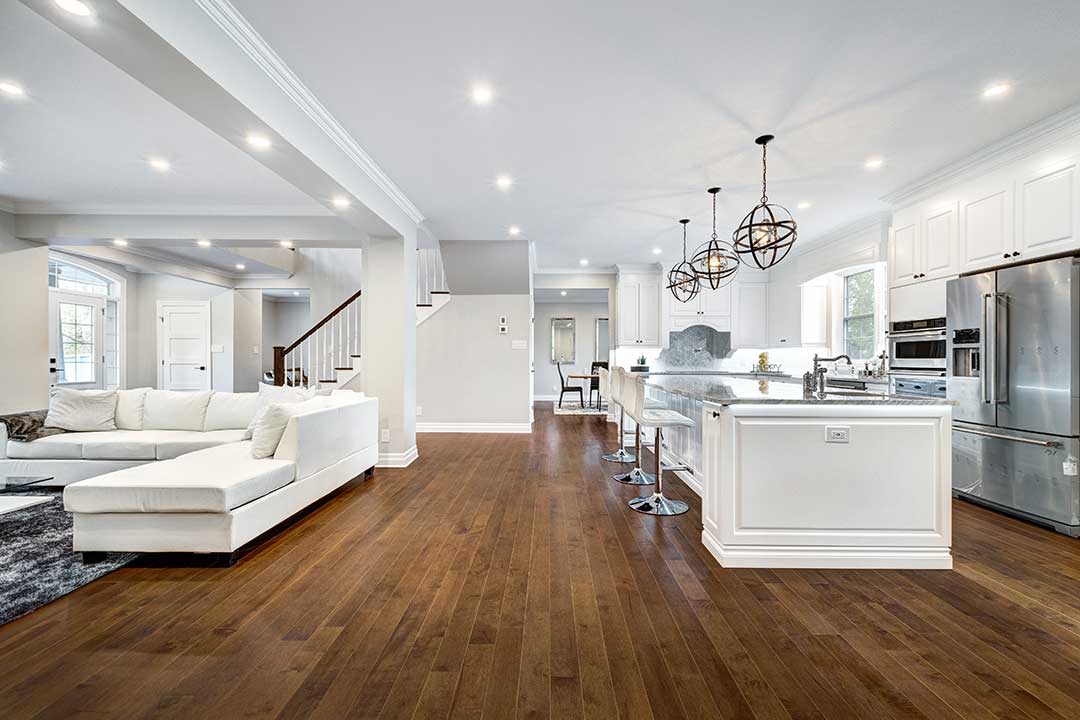
In Shelton, new listings attract the most attention in the first one to two weeks. If the price feels out of line with current sales, buyers may simply wait, expecting future drops. Repeated price reductions can raise doubts about the property’s condition or perceived value.
It is more effective to choose a number in line with recently sold homes that reflect yours in location and features. Well-priced homes can generate multiple offers, sometimes even exceeding the initial asking price.
How Do Market Conditions Affect Pricing?
Market shifts are a practical reality. In some seasons, sellers see multiple offers; at other times, buyers have more options and negotiate harder.
Indicators that may influence your pricing decision:
- The average number of days similar homes spend on the market
- Recent sale-to-list price ratios—shows if homes generally sell above, at, or below asking price
- The number of comparable properties currently listed
A slow-moving market may require more competitive pricing, while strong demand supports setting the price at or just above the last comparable sale. Monitoring not just broad trends, but those in your specific neighborhood or school area, can provide a sharper focus.
What Are Common Pricing Mistakes and How Can You Avoid Them?
Even thoughtful homeowners can slip into habits that make selling more difficult:
- Relying only on personal investment: Buyers base value on comparable homes, not what was paid or put in over time.
- Using active listings as a guide: Homes currently for sale haven’t proven their price in the market—sold properties tell the real story.
- Ignoring condition updates or repairs needed: Overestimating value without considering necessary improvements can result in overpricing.
Reviewing both recently sold homes and honest assessments of property condition leads to a more accurate and persuasive asking price.
What If You’re Not Sure Where to Start?
For some households, pricing may feel overwhelming—especially after many years in the same home or during significant life transitions. Local libraries, city resources, and online databases often provide access to property records and sale data. Reviewing these can give a sense of recent trends and realistic expectations for your home’s likely market range.
Approaching the decision with open eyes, realistic benchmarks, and current data offers area residents the best chances of an efficient and rewarding sale process.